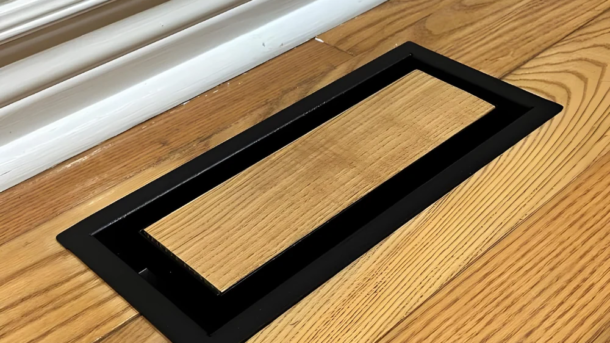
A floor vent cover is one of those fixtures nobody notices until it goes wrong. A flimsy grille that flexes underfoot, a bright white rectangle sitting in the middle of a walnut floor, a cover that never quite sits flush: these are small annoyances, but you walk past them every day. In 2026, homeowners have more choices than ever. The smartest buyers are looking past generic shelf stock to American brands that care about fit, finish, and how a vent blends into the room.
This guide covers three of them: Airwinks, Reggio Register, and All American Wood Register Co. Each takes a different approach, so the right pick depends on your flooring, your budget, and how much you want the vent to disappear.
How These Three Were Chosen
The largest names in the vent aisle already get plenty of attention. This list leans toward focused, specialty brands that are less crowded and often easier to work with when your opening is unusual. I compared them on four points:
- how well the cover handles foot traffic
- how many duct-opening sizes are offered
- how convincingly it blends with real flooring
- what the company offers when a standard size won’t do
This is an editorial comparison, not a lab test. Prices and stock change often, so confirm details on each company’s site before you order.
1. Airwinks: Best for Matching Your Floor
Airwinks is a New York-based vent cover company. Its approach differs from the typical grille. Its floor air vents have a recessed tray on top. You cut a piece of your own flooring, set it into the tray, and the register’s surface carries the same pattern as the rest of the room. That works with tile, hardwood, vinyl, laminate, carpet, and suitable stone. The vent stops looking like hardware and starts looking like part of the floor.

Underneath, built-in flaps let you steer airflow. They adjust the flow but are not designed to seal the duct completely, so don’t treat them as a true shutoff. The metal frame comes in black or white.
The size range is wide. Slim 2×10 openings sit at one end, and large formats up to 10×30 sit at the other. That helps in older homes with non-standard ducts. Small registers such as 3×10 and 4×10 start around $44.99, while the largest cost several hundred dollars. A custom vent cover page covers openings that fall outside the standard list.
One practical point: Airwinks sizes refer to the duct opening, not the outer frame. Pull out the old register and measure the hole itself. The finished cover will be larger than the number on the label.
Best for: remodelers and design-minded owners who want a seamless look.
2. Reggio Register: Best for Traditional Metalwork
Reggio Register is based in Leominster, Massachusetts. It has built metal and wood registers for decades, and its identity rests on craftsmanship. The range spans cast iron, brass, aluminum, and heavy steel. Patterns include scroll, grid, and basketweave. Several lines are marketed as made in the USA, and some retail listings mention a lifetime guarantee against cracking and breakage.
If your home has period character, such as a farmhouse, a brownstone, or a bungalow, this is the design language that suits it. Cast iron has a weight that thin stamped covers can’t match, and you can feel the difference when you step on it. Finishes include oil-rubbed bronze, black, and several powder-coated tones. Prices sit above bargain brands, though not extravagantly. A common 4×10 aluminum grille lands in the mid-$40s at large retailers. That premium buys durability and the confidence of a one-time purchase.
Reggio also sells matching grilles for walls and ceilings. That helps if you want a consistent look across a whole house, from the baseboard to the ceiling plane.
3. All American Wood Register Co.: Best for Hardwood Floors
All American Wood Register Co. is based in Crystal Lake, Illinois. It makes registers from real wood, for owners who want the vent to read as part of the floorboards. Its slot-style registers are milled from a single solid piece of wood instead of being assembled from glued parts. That removes the seams that tend to loosen or crack over the years.
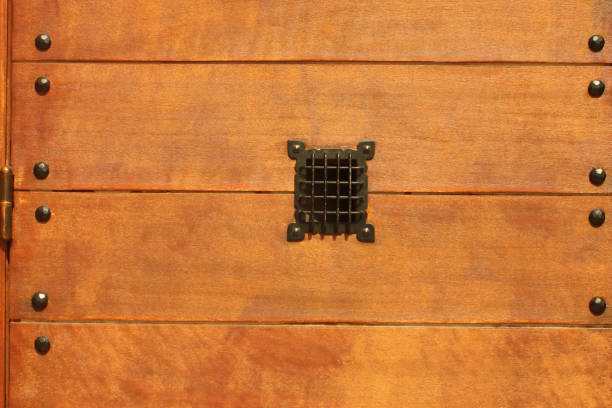
The practical benefits are easy to see. Order a species that matches your floor, stain or finish it to taste, and the register melts into the surrounding boards. The company advertises quick shipping on standard sizes and short lead times for custom ones, which matters when you are mid-renovation and the floor crew is waiting. Beyond registers, it makes stair treads, risers, and moldings from the same lumber, so you can coordinate more than just the vents.
Which One Should You Choose?
Start with your floor.
- Tile, vinyl, laminate, or carpet: Airwinks is the most versatile, because the insert tray lets you borrow the floor’s own material.
- Hardwood: All American Wood Register Co. is the natural fit, since the register and floor share the same material.
- Traditional rooms where the vent should be a feature: Reggio Register is the one to look at.
Whichever you choose, measure the duct opening before you shop. Check the depth of the opening so a drop-in cover doesn’t sit proud of the floor. Think about traffic too. A hallway with kids, pets, and furniture dragging across it needs something sturdier than a living room corner.
The Bottom Line
The best floor vent cover is the one that suits your floor, your style, and your duct size. Airwinks leads on seamless integration, Reggio Register on classic metal durability, and All American Wood Register Co. on real wood that matches your boards. Compare all three against your flooring, measure carefully, and you will end up with a vent you stop noticing, which is the point.