
Horoscope reading has become a quiet daily ritual for millions of people, slipping into morning routines as naturally as checking messages or making tea. Some treat it as entertainment, others as a comforting habit, and many as a small moment of reflection before the day begins. Whatever the intention, the pull is consistent: a few lines that feel oddly personal can shape mood, expectations, and even choices.
In a world where plans change quickly and news cycles never rest, short forecasts can feel like a pause button. People often look for patterns that make life feel more readable, and zodiac-based insights offer a simple structure for that search. This daily glance is rarely about certainty; it’s about reassurance, curiosity, and the hope that today might make a little more sense.
A Small Routine That Feels Grounding
Daily predictions appeal because they are easy to consume and easy to repeat. The act itself becomes stabilizing: read, reflect, move on. Many people don’t follow every detail, yet the repetition builds a sense of continuity that can be soothing during unpredictable weeks.
For some readers, the comfort comes from imagining that there is a wider rhythm to life than random events. A few sentences can provide a gentle frame, and it’s not unusual to see people compare notes with friends, treating the forecast as a shared language. When someone wants a more tailored voice, they may seek the best astrologer in Surat for a perspective that feels closer to their lived reality.
The Desire for Clarity When Life Feels Messy
Modern life is full of decisions, but it rarely comes with clear signposts. People often carry invisible pressures, such as family expectations, deadlines, financial worries, and a daily horoscope, which can feel like a flashlight pointed into the fog. Even if the message is broad, it can spark a sense of direction.
The real appeal is not that the prediction “knows” the future, but that it creates a storyline. A storyline helps the mind organize feelings into something manageable. When the forecast says to be patient, take initiative, or avoid conflict, it provides a prompt that can reduce hesitation and turn stress into action.
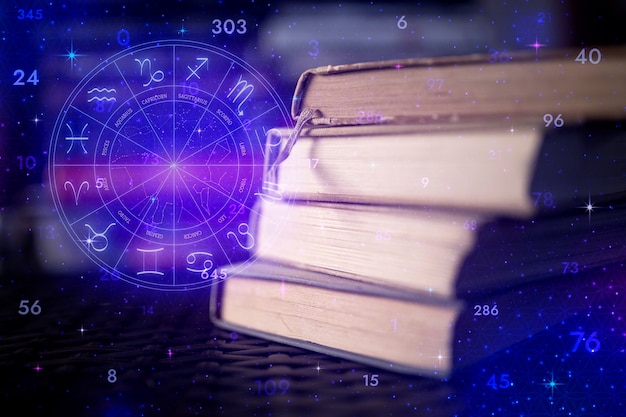
A Mirror for Emotions People Struggle to Name
Many readers use horoscope content as a way to label emotions without feeling exposed. It can be easier to admit “my sign is feeling sensitive today” than to say “I’m overwhelmed.” The language of astrology gives people a symbolic vocabulary for experiences that are otherwise hard to explain.
This emotional mirroring is why a short daily message can feel strangely accurate. Readers scan for phrases that match their inner state, then hold onto the parts that resonate. Over time, this practice becomes a form of self-check-in that encourages introspection, even for people who wouldn’t normally journal or meditate.
A Tool for Decision-Making Without Full Responsibility
Decision fatigue is real, and many people are tired of constantly calculating outcomes. Horoscope predictions offer a middle path: not fully outsourcing choices, but getting a nudge. This can be especially appealing when the decision feels heavy, such as starting a conversation, changing a plan, or taking a risk.
Some readers treat forecasts like a traffic signal rather than a map. Green means “try,” yellow means “think,” red means “wait.” In that spirit, an astrology decision guide can function as a gentle filter, helping someone slow down before reacting or pushing ahead without thought.
Social Media Turns Forecasts Into Daily Conversation
Horoscopes thrive online because they fit perfectly into short, shareable formats. Posts, reels, memes, and quick sign-based jokes turn astrology into a cultural shorthand. People don’t just read predictions; they react to them, forward them, debate them, and tag friends who “fit” the description.
This social layer amplifies habit. When friends send each other daily forecasts, it reinforces the practice and makes it feel communal rather than solitary. Even skeptics may join in because it’s playful and low-stakes, and because it offers a way to connect without diving into serious topics immediately.
Hope Feels Necessary, and Forecasts Supply It
A daily prediction often carries a tone of possibility: a good outcome, a turning point, a lucky encounter. This sense of hope matters, especially when someone feels stuck. Humans are motivated by the idea that something can improve, and even a small promise can change how the day is approached.
Importantly, the hope doesn’t have to be dramatic. It might be as simple as feeling less alone, feeling seen, or believing that today has a purpose. When people read “you’ll regain confidence” or “a conversation brings clarity,” they may behave in ways that make those outcomes more likely.
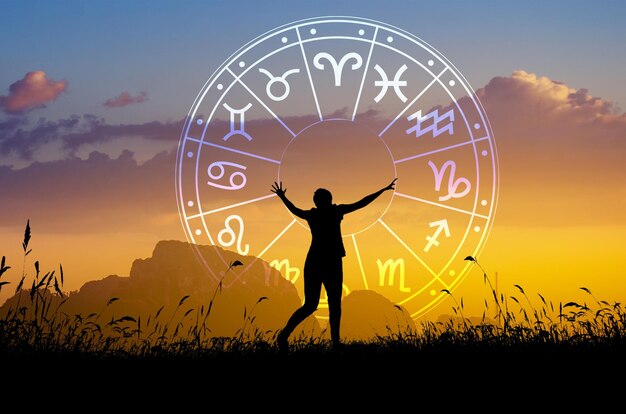
Personality Patterns Make Life Feel More Understandable
Astrology offers neat categories, and categories make complexity easier to handle. Readers enjoy comparing traits, noticing patterns, and exploring how different signs supposedly approach love, work, or conflict. This can turn everyday behavior into something interpretable rather than confusing.
The appeal grows when the descriptions feel accurate enough to spark self-awareness. People may reflect on strengths and blind spots, then adjust their behavior slightly. Over time, this pattern-based thinking can become a way to understand relationships, set boundaries, and anticipate friction points before they escalate.
Planning the Day With a Symbolic Map
Many people use forecasts as a soft planning tool, choosing when to tackle hard tasks, when to rest, or when to socialize. It’s not strict scheduling, but a symbolic map that influences pacing. A message about energy or focus can encourage someone to structure their time more intentionally.
For readers who enjoy organizing life into themes, horoscope life planning becomes a gentle method of aligning actions with mood. Even if the prediction is not “true” in a literal sense, it can still improve follow-through by giving the day a narrative and a sense of timing.
Skepticism and Belief Often Coexist
It’s common for readers to say they “don’t fully believe” while still checking daily. That’s because horoscopes can function like reflective prompts rather than fixed prophecies. People may take what helps and ignore the rest, treating the forecast as a suggestion rather than a rule.
This flexible approach keeps the habit alive. It allows people to enjoy the experience without feeling trapped by it. In many cases, the value lies in the pause it creates, an intentional moment to consider behavior, mindset, and choices before the day accelerates.
Conclusion
People follow horoscope predictions daily because they offer comfort, structure, and meaning in a fast-moving world. These brief messages can act like emotional mirrors, conversation starters, and prompts for reflection, helping readers feel more prepared for whatever the day brings. Whether approached as spiritual guidance or a simple routine, the daily forecast remains popular because it speaks to an enduring human need: to understand ourselves and to believe tomorrow can be navigated with a little more confidence.