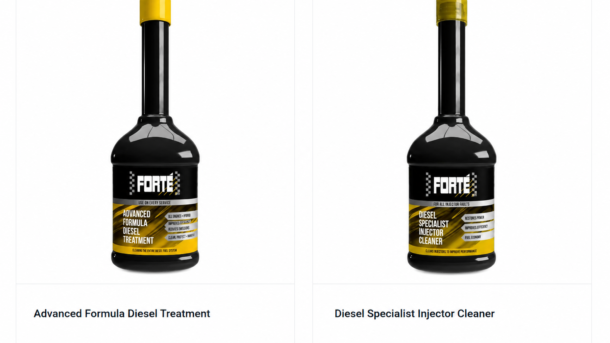
Diesel engines rely on precision fuel delivery to run smoothly, and even a small amount of deposit buildup inside the injectors can throw that balance off. Over time, dirty injectors lead to rough idling, reduced power, and higher fuel bills. Keeping the fuel system clean is one of the simplest ways to protect your investment and avoid costly repairs down the line.
This is where a dedicated injector cleaner comes in. Regular use as part of your maintenance routine helps keep the fuel system working the way it was designed to, rather than waiting for problems to appear. Below are thirteen practical benefits that explain why this small addition to your maintenance schedule can make a noticeable difference.
1. Restores Fuel Injector Performance
Diesel injectors are precision components, and even minor carbon or resin buildup can disrupt the fine spray pattern they need to operate correctly. Using a Forte injector cleaner diesel treatment helps break down these deposits from the inside, allowing fuel to atomise properly again rather than dribbling or spraying unevenly into the combustion chamber.
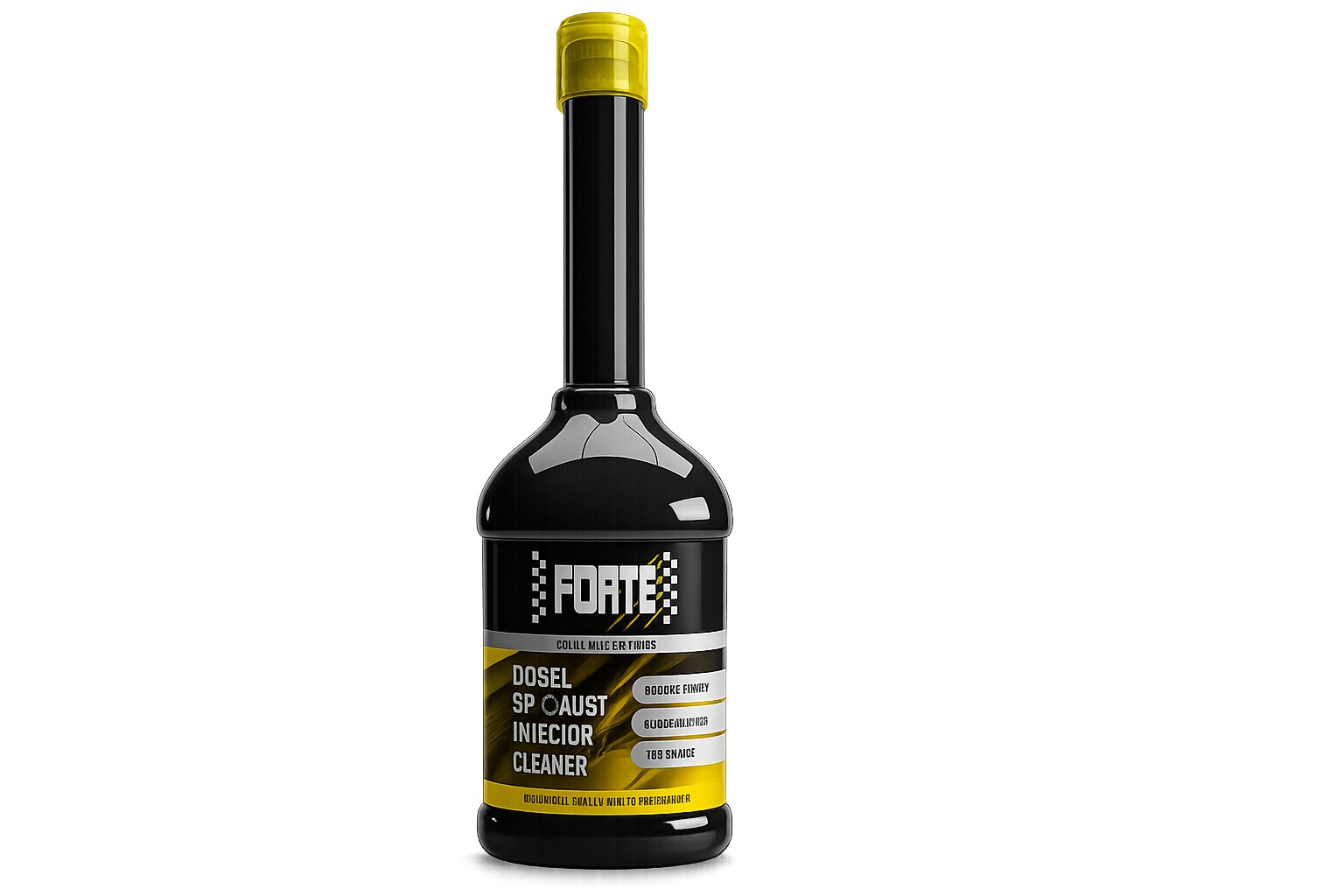
When injectors return to their intended spray pattern, combustion becomes more consistent across all cylinders. Drivers often notice smoother acceleration and a more even idle shortly after treatment, simply because the fuel is being delivered the way the engine was originally engineered to receive it.
2. Improves Fuel Economy
A diesel engine burning fuel efficiently uses less of it to produce the same amount of power. When injectors are clogged, the engine compensates by using more fuel to reach the same performance level, which quietly increases running costs over weeks and months without the driver necessarily noticing why.
Clearing away the deposits that interfere with proper fuel atomisation allows the engine to extract more usable energy from every drop of diesel. Over time, this can translate into a meaningful reduction in trips to the pump, particularly for vehicles that cover long distances regularly.
3. Reduces Harmful Emissions
Incomplete combustion is one of the main contributors to excess smoke and higher emissions in diesel vehicles. When fuel isn’t atomised correctly due to dirty injectors, some of it burns inefficiently, leaving behind soot and unburned particles that get pushed out through the exhaust system.
Cleaning the injectors supports more complete combustion, which naturally reduces the amount of visible smoke and pollutants released. This is particularly relevant for vehicles operating in areas with emissions restrictions, where a well-maintained fuel system can make a genuine difference to compliance.
4. Helps Protect the DPF
The diesel particulate filter is designed to trap soot before it exits the exhaust, but it can only handle so much before it starts to clog. Poor combustion caused by dirty injectors accelerates soot production, putting extra strain on the DPF and increasing the frequency of regeneration cycles.
By supporting cleaner combustion at the source, injector cleaning indirectly reduces the load placed on the DPF. This can help extend the intervals between forced regenerations and reduce the wear associated with constant filter cleaning cycles.
5. Supports Smoother Engine Idling
A rough or uneven idle is often one of the first signs that something isn’t right within the fuel system. When injectors deliver fuel unevenly across cylinders, the engine struggles to maintain a steady rhythm, which can feel like vibration or hesitation while the vehicle is stationary.
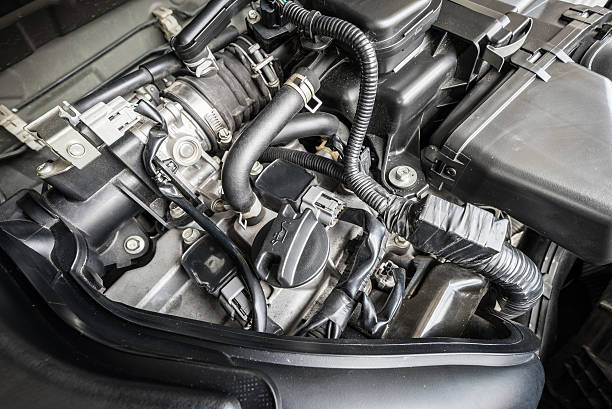
Cleaning the injectors helps restore balanced fuel delivery to each cylinder, which in turn smooths out the idle. Many drivers notice this improvement almost immediately, as it’s one of the more obvious signs of a properly functioning fuel system.
6. Reduces Turbo Strain
Modern diesel engines rely heavily on turbochargers to deliver power efficiently, but turbos are sensitive to the quality of combustion happening ahead of them. Dirty injectors that cause inconsistent burning can send unburned fuel and excess soot toward the turbo, contributing to premature wear.
Keeping the injectors clean supports a more consistent combustion process, which reduces unnecessary stress on turbo components. This is especially useful for vehicles that regularly tow, carry heavy loads, or operate under demanding conditions where the turbo is already working hard.
7. Prevents Hard Starting
Struggling to start a diesel engine, especially in cold weather, is frequently linked to poor fuel atomisation. When injectors aren’t spraying fuel finely enough, the air-fuel mixture in the cylinder doesn’t ignite as easily, leading to extended cranking times before the engine finally catches.
A clean injector produces a finer, more consistent spray, which helps the engine achieve the right mixture more quickly. This makes starting more reliable, particularly during colder months when diesel engines are already working harder to ignite fuel efficiently.
8. Extends the Lifespan of Fuel System Components
The fuel pump, injectors, and related components are engineered to work together within tight tolerances. When deposits build up, these parts are forced to work harder than intended, accelerating wear and increasing the likelihood of premature failure across the fuel system.
Routine cleaning helps keep these components operating within their intended parameters, reducing unnecessary strain. This proactive approach can help avoid the higher costs associated with replacing fuel pumps or injectors that have failed due to prolonged neglect.
9. Improves Overall Power and Responsiveness
A diesel engine with clogged injectors often feels sluggish, particularly under acceleration or when climbing gradients. This happens because the engine isn’t receiving fuel efficiently enough to generate the power it’s capable of, even though nothing else about the engine has changed.
Restoring proper fuel delivery allows the engine to respond more predictably to throttle input. Drivers frequently describe this as the vehicle feeling more responsive, since the engine is finally able to access the power it was designed to produce.
10. Helps Maintain EGR Valve Function
The exhaust gas recirculation valve plays a role in reducing emissions by redirecting a portion of exhaust gases back into the combustion process. Soot and carbon buildup, often linked to poor combustion from dirty injectors, can cause this valve to stick or function inconsistently over time.
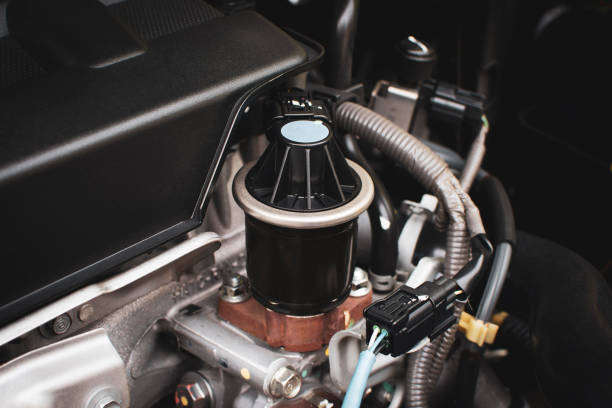
Supporting cleaner combustion reduces the amount of soot generated in the first place, which in turn helps the EGR valve continue operating as intended. This contributes to more stable engine performance and fewer related fault codes.
11. Offers a Cost-Effective Maintenance Step
Compared to the cost of replacing injectors, fuel pumps, or dealing with DPF issues, injector cleaning is a relatively small investment. It fits easily into a routine maintenance schedule and doesn’t require specialist tools or extended downtime for the vehicle.
For many diesel owners, this makes it an appealing first step before assuming a more serious mechanical issue is at play. Addressing minor buildup early can prevent it from developing into a more expensive problem later on.
12. Suitable for a Wide Range of Diesel Vehicles
Diesel fuel systems share similar core principles across passenger cars, vans, and larger diesel-powered vehicles, which means injector cleaning treatments are generally applicable across a broad range of applications. This makes it a practical option for individual owners and fleet operators alike.
Whether the vehicle is used for daily commuting or covers higher mileage for work purposes, keeping the fuel system clean remains a relevant and useful maintenance habit regardless of how the diesel engine is primarily used.
13. Encourages Consistent Maintenance Habits
Beyond the immediate technical benefits, incorporating injector cleaning into a regular schedule encourages a more consistent approach to vehicle care overall. Owners who pay attention to fuel system health often extend that same diligence to other areas of maintenance.
This habit-forming effect can lead to fewer unexpected breakdowns and a more reliable vehicle over the long term, simply because small issues are addressed before they have the chance to escalate into something more serious.
Final Thoughts
Keeping a diesel engine’s fuel system clean isn’t a one-time fix but an ongoing part of responsible vehicle care. From smoother idling and better fuel economy to reduced strain on the turbo, DPF, and EGR valve, the benefits extend well beyond the injectors themselves.
Making injector cleaning a regular part of your maintenance routine is a straightforward way to protect performance, reduce long-term running costs, and keep a diesel engine operating the way it was designed to. Small, consistent care often makes the biggest difference over the life of a vehicle.