Indian childhoods have always been filled with vibrant memories, laughter, and the simplicity of traditional toys that didn’t rely on screens or technology. These toys crafted from wood, clay, fabric, or natural dyes were more than just objects of fun; they were pieces of heritage passed down through generations. They encouraged imagination, strengthened emotional bonds, and connected children to India’s cultural roots in beautiful ways. Today, as families rediscover the value of mindful, screen-free play, these traditional items are making a powerful comeback, carrying the essence of old-world charm blended with modern relevance.
India’s Timeless Childhood Play Treasures
India’s classic toys hold emotion, artistry, and cultural significance, forming a timeless part of every childhood.
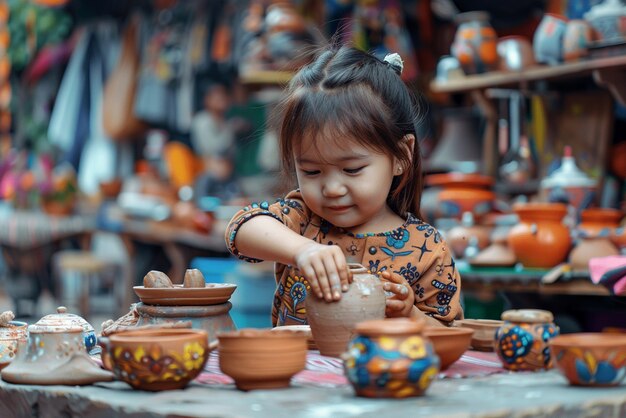
Handmade Craft Legacy
Across India, villages known for their artistic traditions have long produced wooden tops, clay figurines, handwoven dolls, and pull-along toys. These items were shaped lovingly by skilled artisans who passed their craft through generations. Each toy carried its own story, whether inspired by nature, daily life, or folklore. Midway through this deep-rooted heritage lies the growing curiosity to visit Kuuraii website now, where families reconnect with timeless craftsmanship represented in modern collections. These toys have endured because they were more than entertainment they were symbols of the community’s skills, values, and artistic pride.
Imagination-Driven Play
Before digital distractions became common, children relied on imagination to give life to simple toys. A spinning top could become part of a competition, a wooden elephant could set off on an adventure, and a cloth doll could turn into a comforting friend. These toys encouraged storytelling, creativity, and emotional expression because children were the creators of their own playtime experiences. This open-ended style of play nurtured cognitive development, self-confidence, and problem-solving skills qualities that remain vital even in today’s fast-paced world. Traditional toys allowed children to think freely without predefined rules or limits.
Cultural Symbolism Inside
Many childhood toys carried cultural meaning, whether shaped as folk characters, decorated with regional art styles, or inspired by traditional attire. Dolls reflected cultural clothing, clay toys resembled animals and daily life, and wooden figures showcased local festivals and rituals. Through these miniature versions of Indian culture, children unknowingly learned about traditions, diversity, and heritage. These toys served as storytellers, offering glimpses into regional identities and customs. Every toy held a lesson about life, values, and history passed in the simplest yet most impactful form.
Growing Modern Demand
With rising awareness about mindful parenting, traditional toys have regained popularity. Modern parents seek items that promote creativity, reduce screen time, and support healthier childhood experiences. The charm of nostalgia also plays a major role, as adults often want to share toys they once cherished with their own children. The shift toward slow-living and natural play methods has brought handcrafted toys back into the spotlight. Today, families appreciate items that are not just fun but meaningful connecting them to their cultural roots while enriching playtime with authenticity and value. For more inspiration and thoughtful ideas, you can visit our lifestyle section to explore related themes.
Natural Safe Materials
Traditional toys are often made with natural, non-toxic materials like wood, clay, natural pigments, and organic fabrics. These eco-friendly elements make them safer for children and better for the environment compared to mass-produced plastic toys. Many artisans still use natural oils for finishing wooden toys, and clay toys are shaped with biodegradable materials that leave no environmental footprint. Parents today value these chemical-free, sustainable alternatives that support healthier play habits. Choosing such toys encourages children to appreciate nature, craftsmanship, and simplicity while reducing plastic consumption.
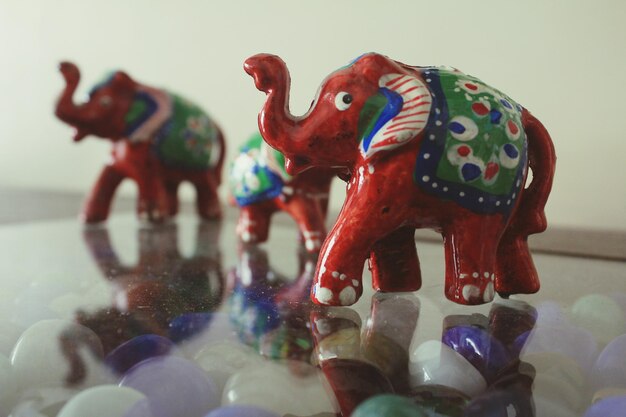
Empowering Local Artisans
Behind every handcrafted toy is an artisan who relies on this skill for livelihood. Many of these communities live in regions where toy-making is a generational craft that supports entire families. By choosing traditional toys, buyers directly contribute to preserving these art forms and uplifting local artisans. This support also encourages younger generations to learn the craft, keeping the tradition alive. These purchases help maintain cultural heritage while ensuring that artisans continue to receive recognition, stability, and opportunities to expand their creativity in a world that often overlooks handmade work.
Family Play Moments
Traditional toys naturally create moments of connection for families. Parents enjoy teaching children old games—spinning tops, marble play, pull-along carts, and handcrafted puzzles stuff they once loved themselves. These small but meaningful activities build memories, strengthen parent-child relationships, and promote better family bonding. Unlike screens, which isolate attention, these toys encourage interaction, conversation, and laughter. They remind families to slow down and enjoy simple pleasures. Traditional play supports emotional bonding, active engagement, and shared experiences, creating a warm and nurturing environment for children.
Conclusion
India’s traditional childhood toys are timeless treasures that blend craftsmanship, culture, and emotional value. They represent the creativity of artisans, the innocence of childhood, and the beauty of simple play. As modern families rediscover these handcrafted gems, they appreciate not only their durability and charm but also the life lessons they carry. These toys foster imagination, preserve cultural identity, and build emotional bonds across generations. In a world filled with fast-paced technology, they offer a refreshing return to authenticity. Their revival today shows that meaningful play doesn’t fade it simply evolves, waiting to be cherished once again by new hands and new hearts.